The tool
Accessible complexity
Mirror Lab’s simple interface generated kaleidoscopic imagery from photographs at speed. Accessibility as a design philosophy: complexity for everyone.
Digital art · Experimental study · 2019–2023
Photographs, folded by symmetry into pattern: an early investigation into algorithmic repetition.
Vivid colours, intricate patterns and dynamic sequences generated through Mirror Lab: an early investigation into algorithmic repetition, bilateral symmetry and the emotional register of digital pattern-making.
One photograph, many mirrors
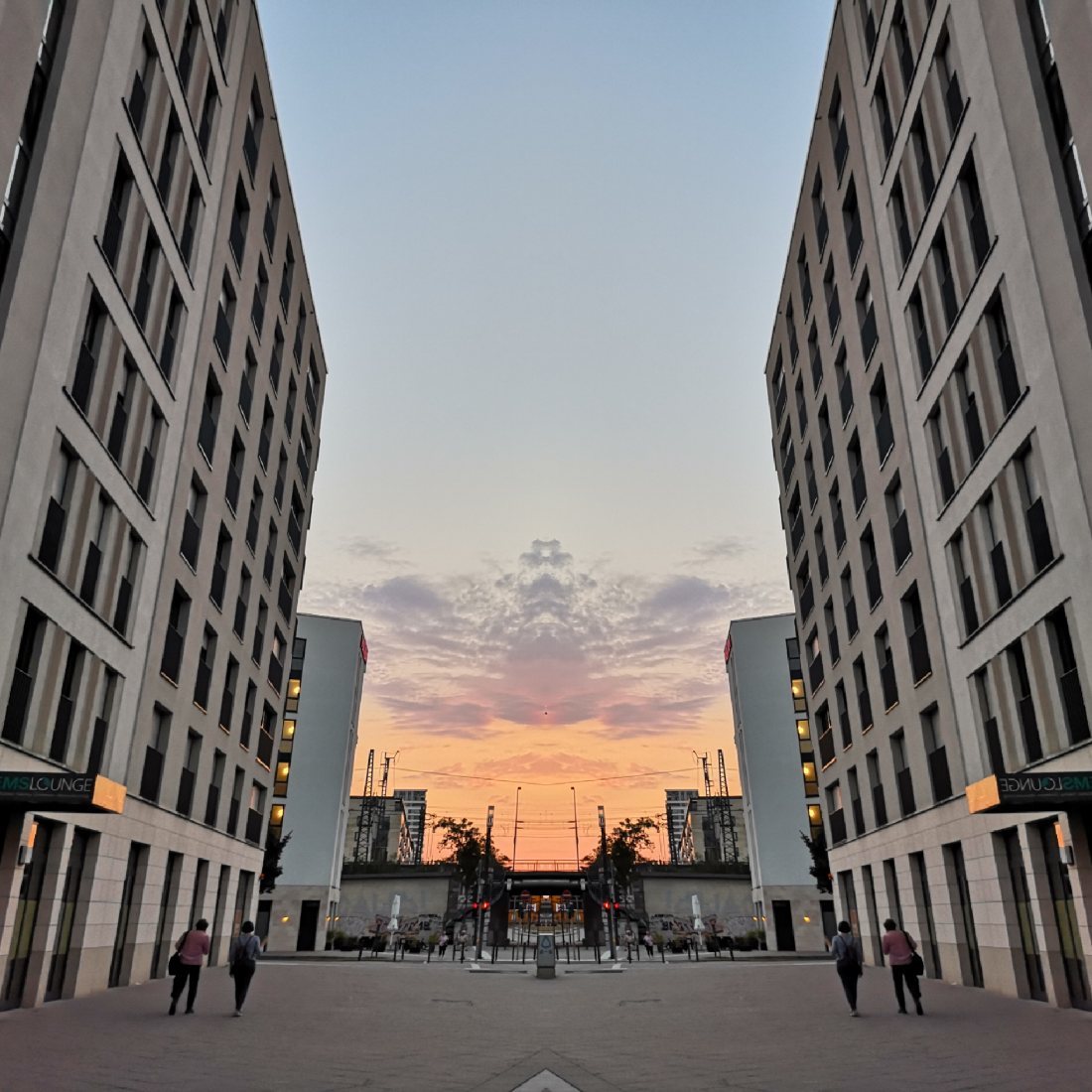
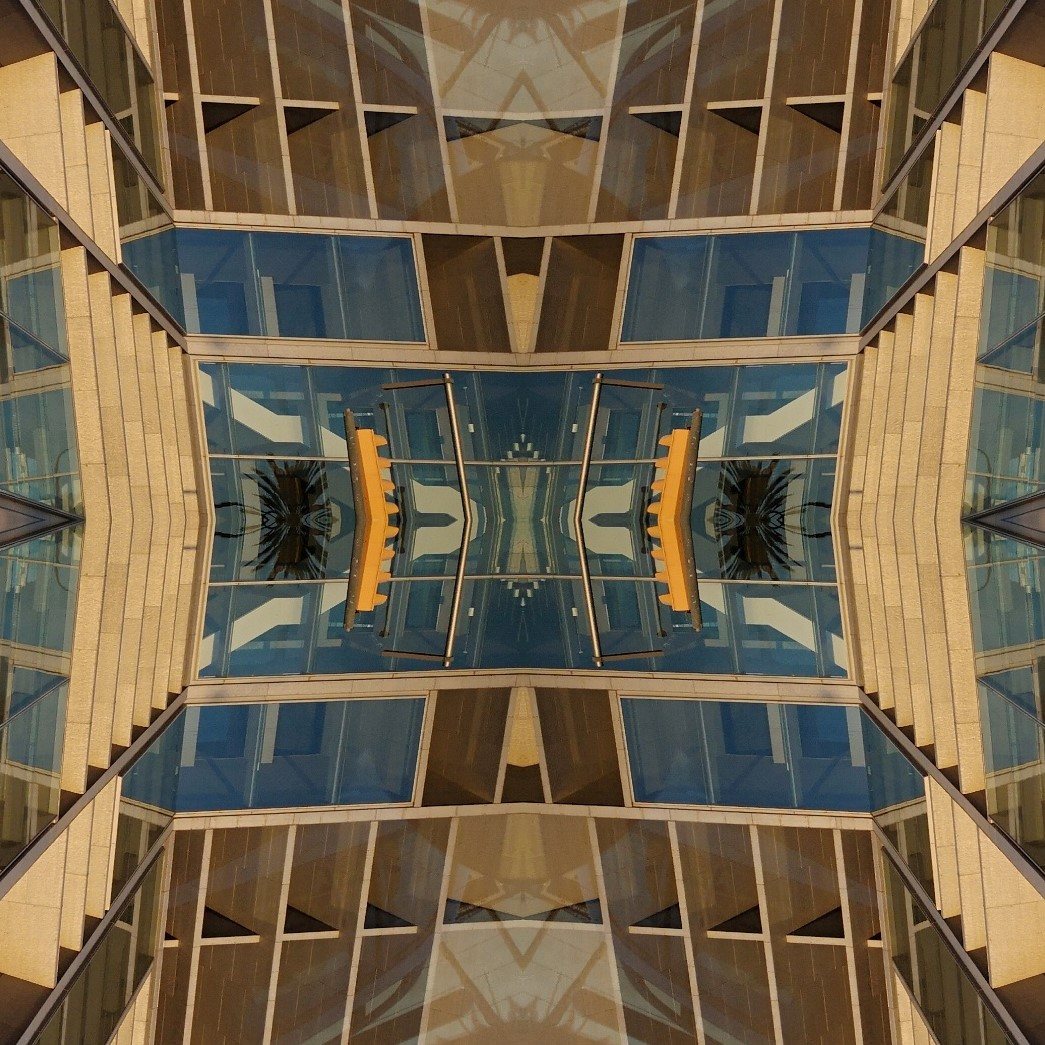
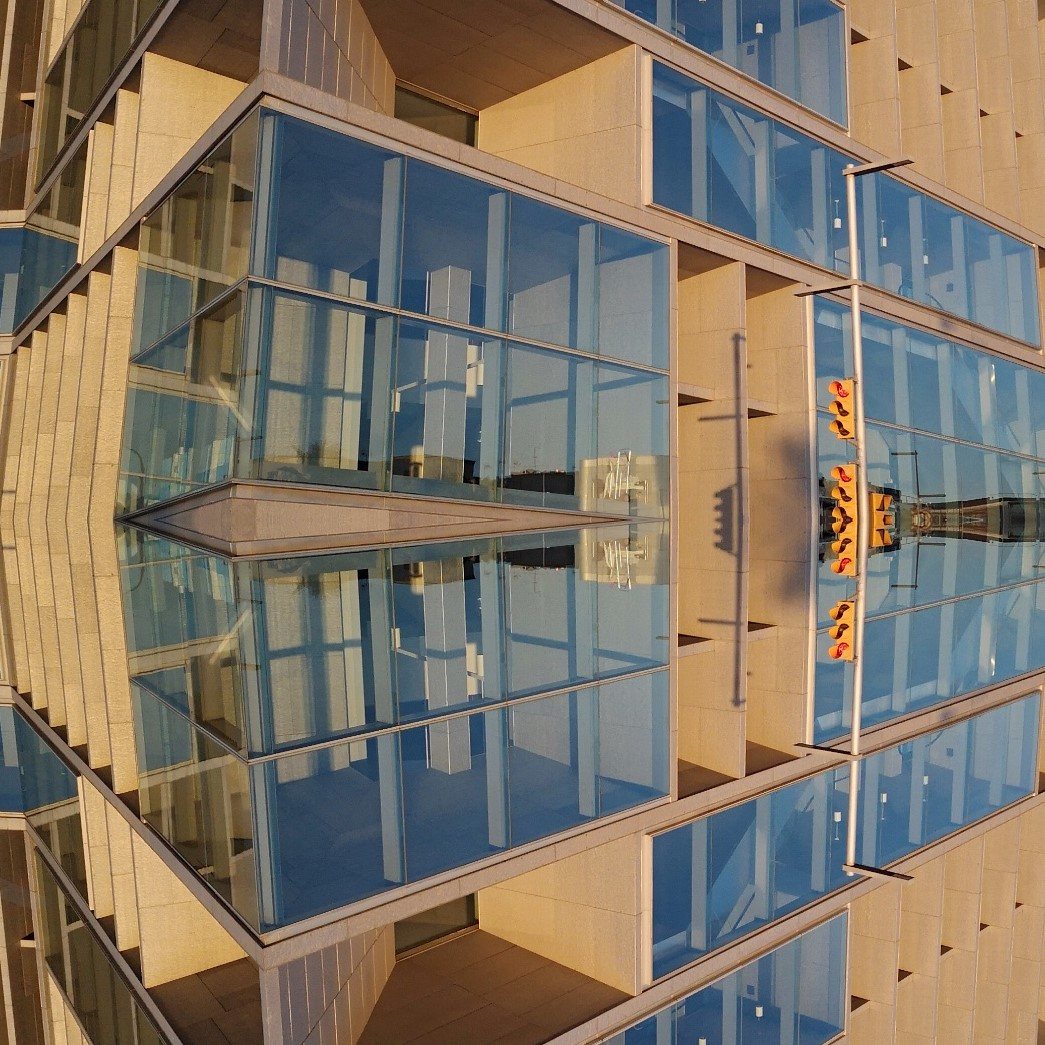
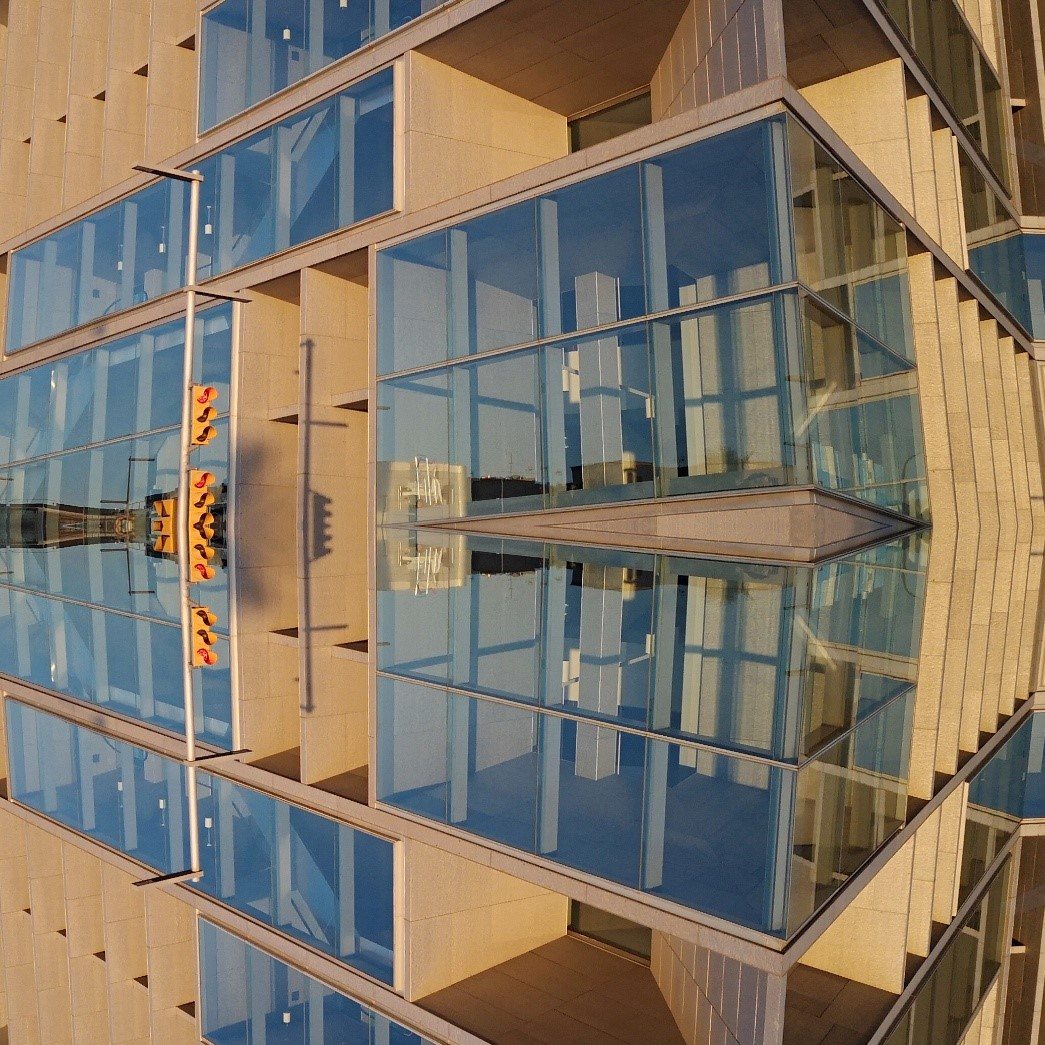
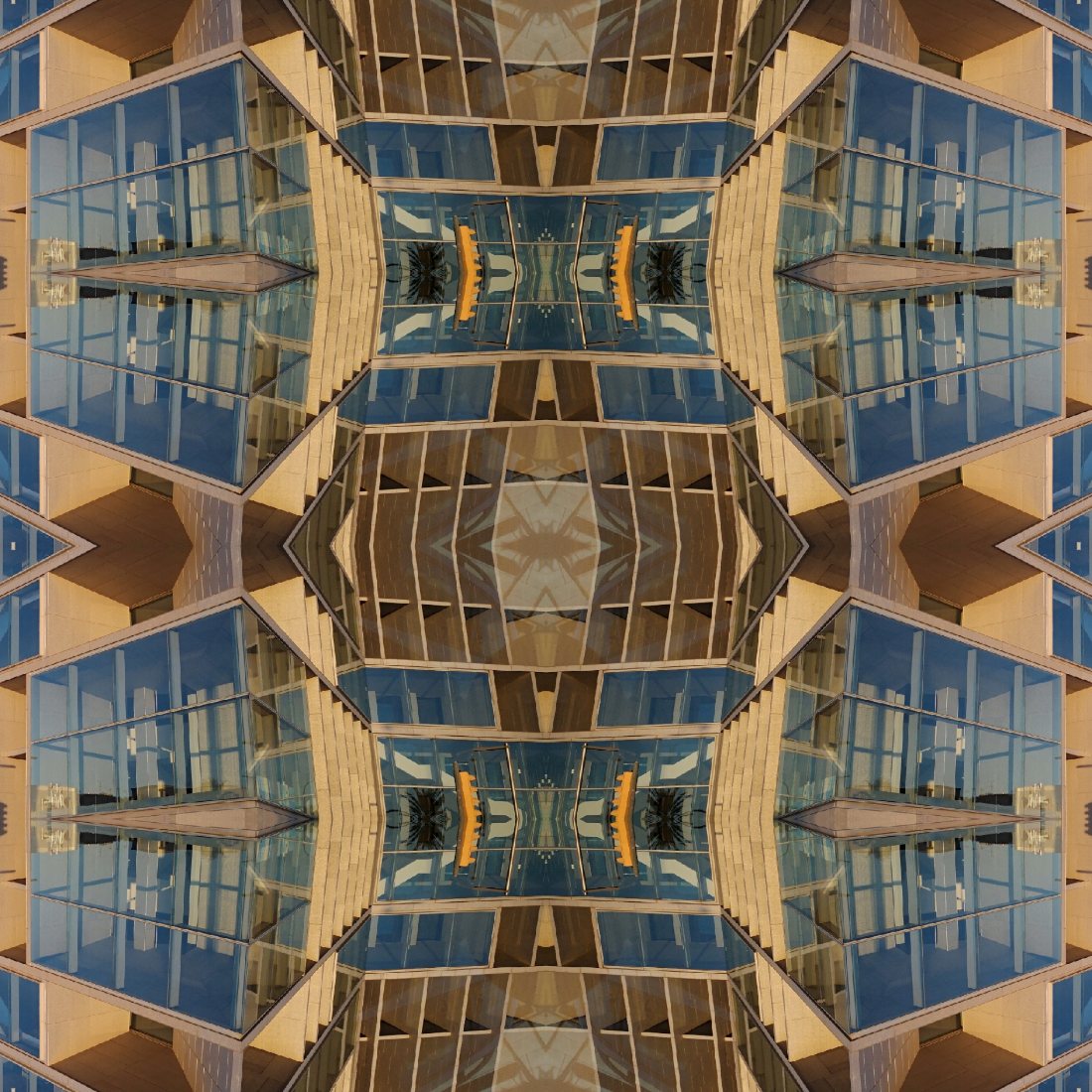
An ordinary object or building, taken as it is.
Bilateral symmetry and kaleidoscopic repetition fold the image.
Order appears out of chaos, with an uncanny emotional charge.
Before and after
Move the handle to compare the plain photograph with its mirrored version.
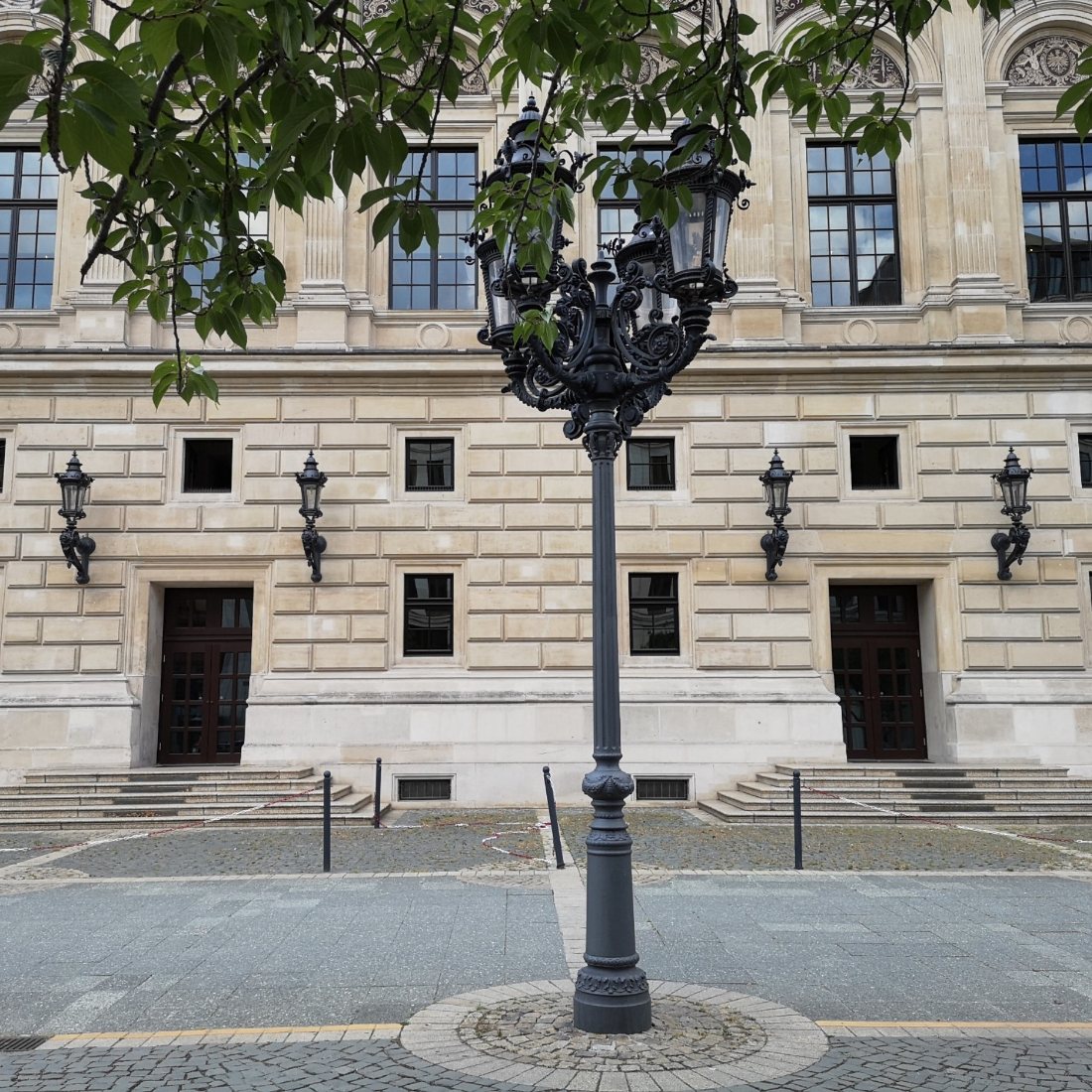
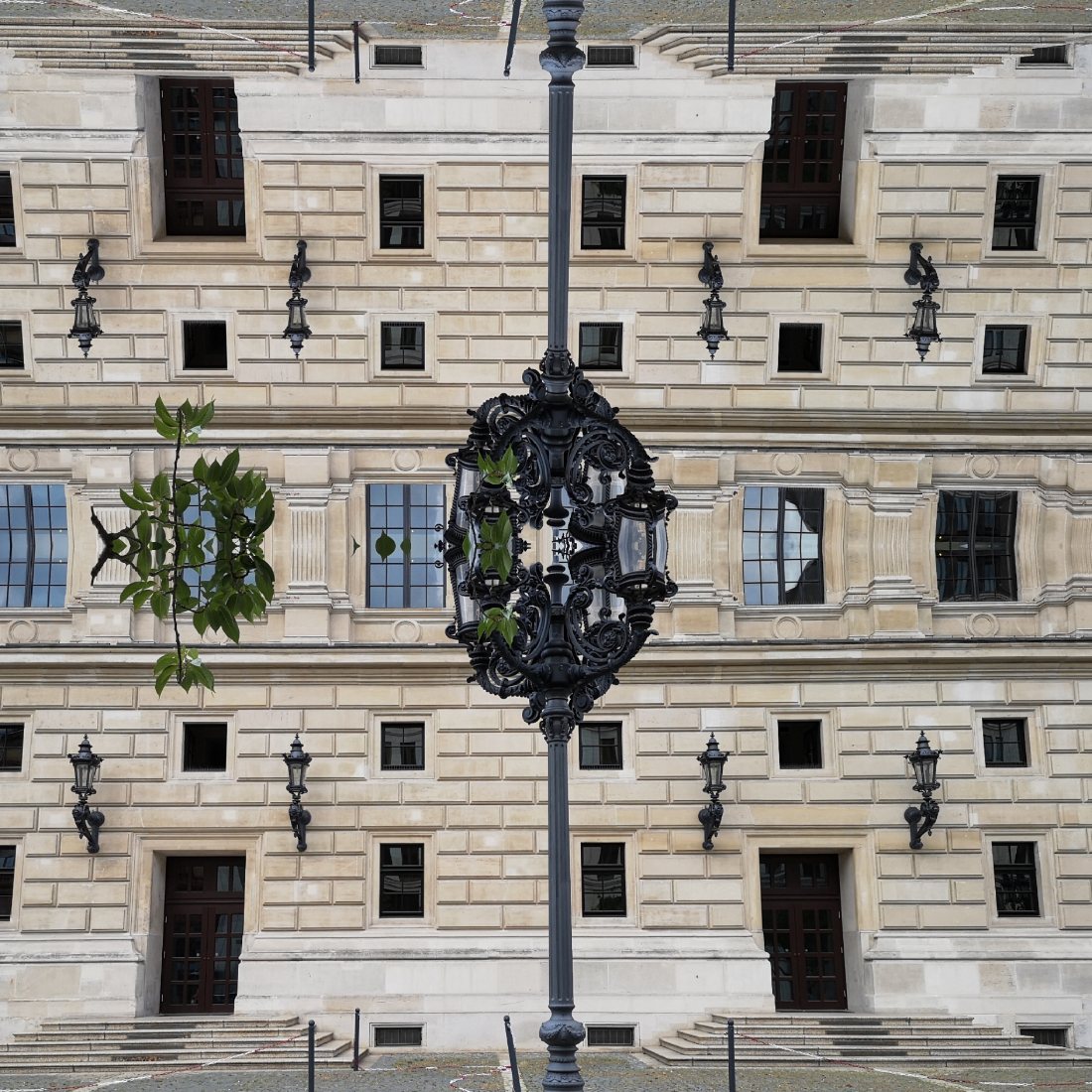 PhotographMirroredPhotographMirrored
Chapter 1
Facades, glass roofs and courtyards turned into symmetrical ornament.
Chapter 2
Circular symmetry from stone, wood and metal textures: architecture as a mandala.
Chapter 3
Flowers, fabric and paint pushed into saturated, kaleidoscopic form.
Chapter 4
When the tool breaks: liquefied surfaces, waves and spirals.
The thinking
Mirror Lab Sketches are an early investigation into AI-adjacent image creation. They predate the generative AI wave and mark the path from manual digital tools toward full image synthesis.
The tool
Mirror Lab’s simple interface generated kaleidoscopic imagery from photographs at speed. Accessibility as a design philosophy: complexity for everyone.
The trajectory
Each tool in this lineage is a step toward AI-generated imagery, where the archive of human visual culture becomes the training set.
Emotional register
The work aims for a strong response: movement, energy and an uncanny sense of order created by mathematical symmetry.