Vernacular Branding — Reading Identity
Publication Research Co-authored
A research publication examining how everyday visual culture shapes brand identity — and what designers, businesses, and institutions can learn from the grammar of the street.
Authors Prof. Bhuleshwar Mate & Kaushambi MatePublished2024–2025 · India & International
Available atvernacularbranding.in
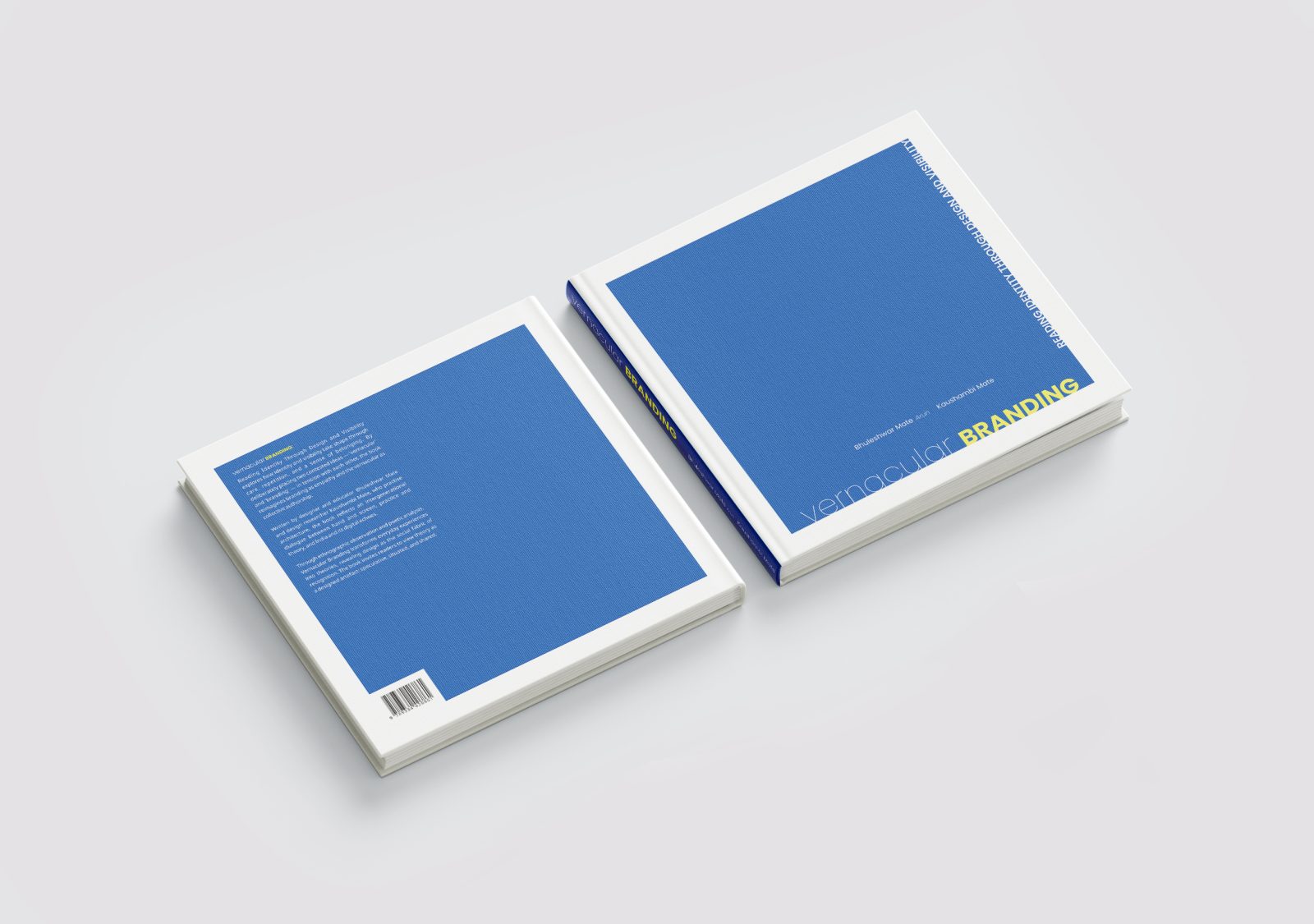
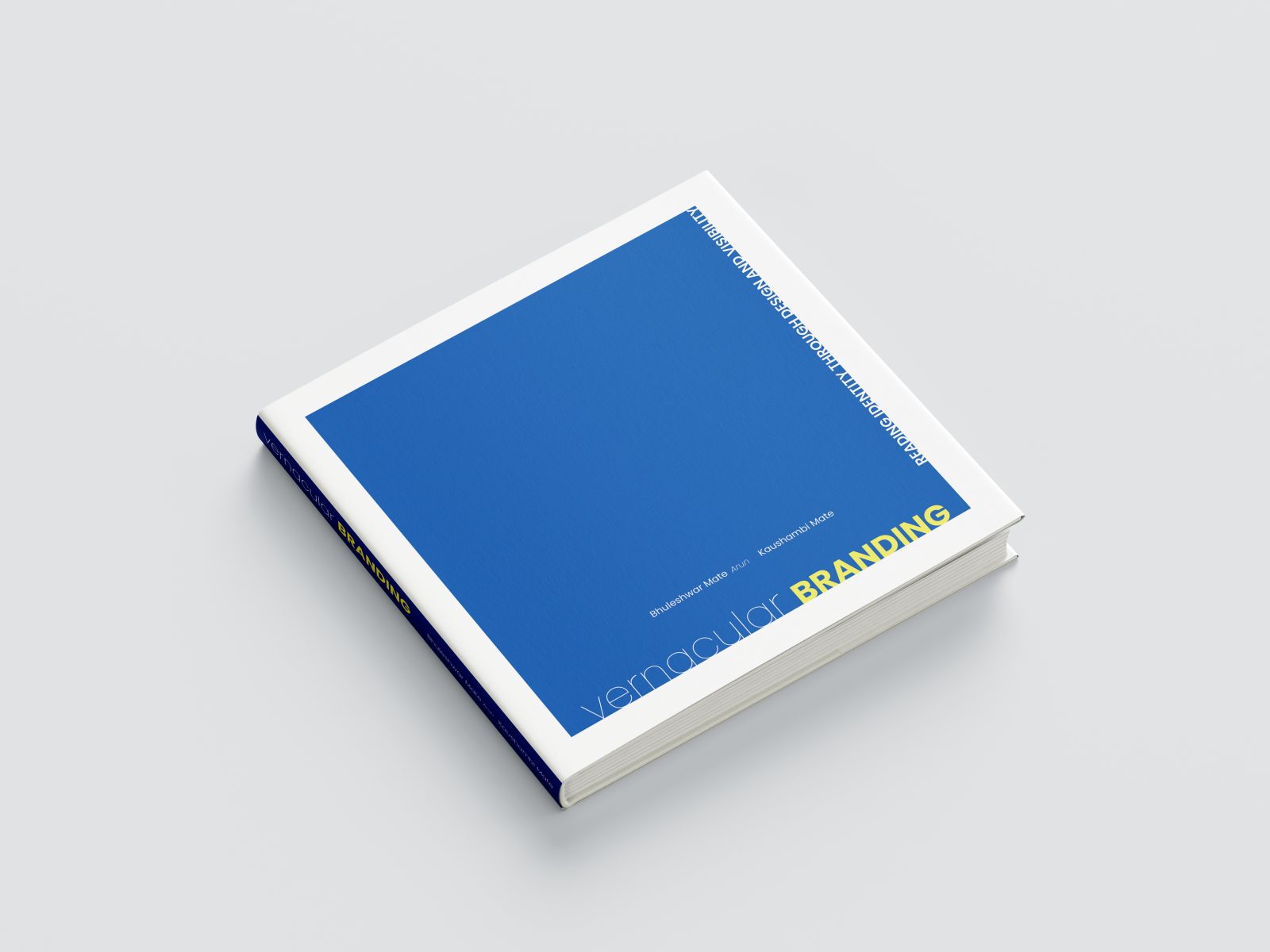
Vernacular Branding is not a handbook for designers — it is a research lens. It argues that the most durable and authentic brand identities are not invented from scratch in a studio. They emerge from a deep reading of the visual culture that surrounds them — the inherited codes, the accidental grammar, the everyday acts of positioning that happen on the surface of every city.
Core ThesisThe “vernacular” is not a heritage to be preserved — it is a living system of visual self-organisation
Research Method
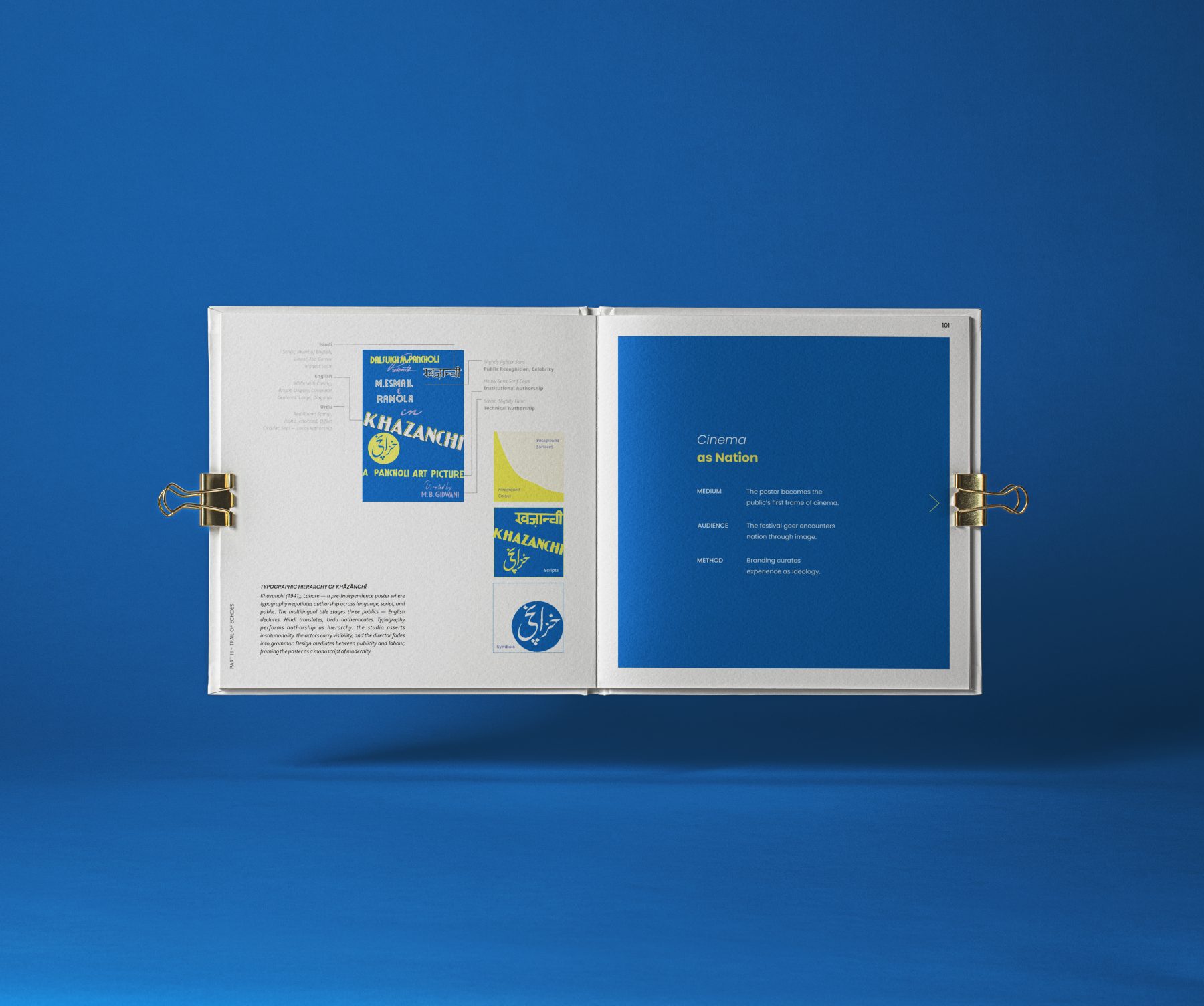
Operative Layers analysis: Medium, Audience, and Method as the grammar of visibility
Key Concept
The Streetscape as Brandscape — public space as a negotiated publication
Scope
India-rooted research with international application — reframes branding as cultural participation
What vernacular means here
The word “vernacular” in architecture refers to building traditions that developed without professional designers — houses, markets, temples, public structures built by communities using local materials and inherited knowledge.
They are not designed. They are grown. And they are, frequently, more responsive to their context than anything produced in a professional studio.
Vernacular Branding applies this idea to visual culture: the hand-painted signs of the Indian bazaar, the layered typography of Frankfurt’s food markets, the colour-coding systems that spontaneously emerge in any dense urban environment. These are not art. They are communication — often more effective than the communication produced by design professionals, because they emerge from actual use rather than theoretical intent.
The Streetscape as Brandscape
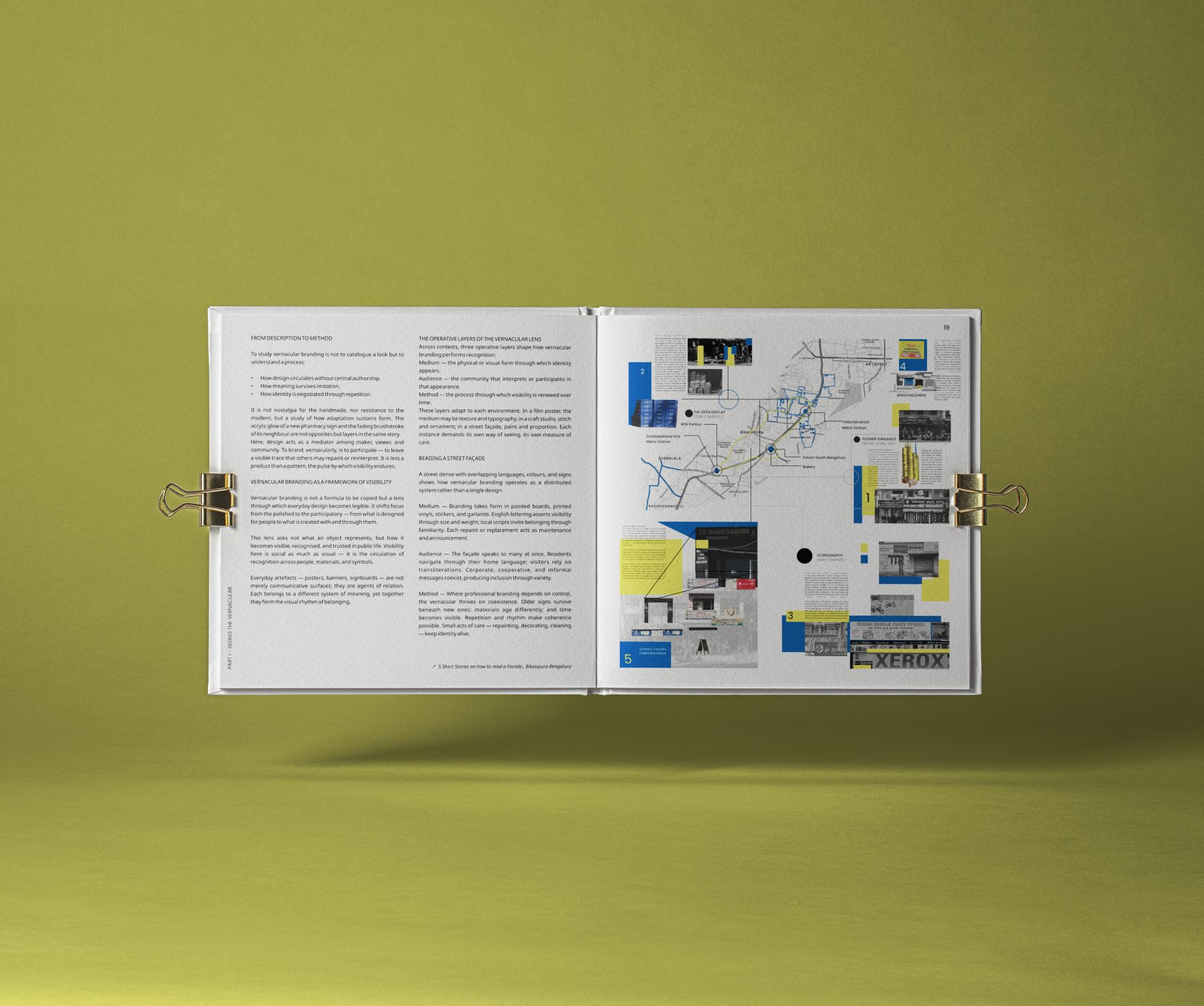
One of the central frameworks in the book is the “Streetscape as Brandscape” — the idea that a street front is not a collection of individual shops but a collectively produced publication, with its own rhythm, hierarchy, and visual grammar.
The most effective individual brands within that streetscape are not the loudest — they are the ones that understand the grammar and either participate in it or depart from it with precision.
This has direct implications for how brand identity is developed. A brand that ignores its visual context — the neighbourhood, the platform, the industry conventions — produces an identity that may be theoretically coherent but practically dissonant. Context is not optional background. It is structural.
An intergenerational dialogue
The book is co-authored with Prof. Bhuleshwar Mate — a designer whose practice spans five decades of Indian visual culture, and who built much of his design vocabulary by hand, in materials, before the digitisation of everything.
The collaboration is not just a publication — it is a structured dialogue between the generation that made the visual grammar and the generation that grew up reading it.
That dialogue produces research that is neither nostalgic nor uncritically contemporary. It takes both positions seriously.
How this research enters the courses
The frameworks in Vernacular Branding — the Operative Layers, the Streetscape as Brandscape, the reading of cultural context as a design input — inform the brand positioning module of Build Your Brand with Me and the forthcoming Storytelling for Freelancers course.
The practical application: when you develop a positioning statement in the BYB101 session, you are not just writing copy — you are doing the same analysis the book describes. What is the visual grammar of your professional environment? What conventions are you choosing to participate in, and which are you departing from, and why? These are research questions applied at the scale of a freelance practice.
Research in practiceThe frameworks in this book are taught live.
Build Your Brand 101 applies the research methodology to individual brand-building — for freelancers and startups constructing their own practice identity with the same analytical rigour used in professional brand work.
Explore the publication → Register for the course →← Brand Methodology Vernacular Branding · Publication German Tax Guide →